When Mr. Beast and T-Series forgot to compete and subscribed to each other on YouTube…
When Mr. Beast and T-Series forgot to compete and subscribed to each other on YouTube…
T-Series and Mr. Beast are now in the limelight because they have subscribed to each other. They are being discussed after they subscribed to each other, who are considered to be fierce rivals.
Here’s a summarized version of the vacancy notice: Pradesh 1 Lok Sewa Aayog: Local Level Job Vacancies The Pradesh 1 Lok Sewa Aayog is inviting applications for various Non-Technical and Technical positions at the Assistant Level (Sahayak 5th Level) in different services (Administrative, Accountancy, Revenue, Education, Health, Engineering, Agriculture, Forest, and Others). Key Details:
Application Method: Online through psconline.p1.gov.np
Appointment: Permanent appointment by the respective local level
Conditions of Service: As per prevailing laws Find more details (application form & syllabus) at the provided link. This summary provides the essential information about the job openings, including the application process, deadline, and key requirements.
HTTP (Hypertext Transfer Protocol) and HTTPS (Hypertext Transfer Protocol Secure) are both protocols used for transmitting data over the internet, but they differ in terms of security and how data is transmitted.
Security:
HTTP: It transmits data in plain text, which means that any data sent using HTTP can be intercepted and read by third parties. This lack of encryption makes it vulnerable to various security threats such as eavesdropping, data tampering, and man-in-the-middle attacks.
HTTPS: It encrypts the data using SSL/TLS (Secure Socket Layer/Transport Layer Security) protocols before transmission. This encryption ensures that data exchanged between the user’s browser and the website’s server remains secure and cannot be easily intercepted or tampered with by unauthorized parties.
Data Integrity:
HTTP: Since data is transmitted in plain text, there’s no built-in mechanism to ensure the integrity of the data being exchanged. This means that data could potentially be modified or corrupted during transmission without detection.
HTTPS: The encryption provided by SSL/TLS ensures data integrity by verifying that the data received by the recipient is exactly the same as the data sent by the sender. Any attempt to tamper with the data during transmission would result in an error, alerting the parties involved.
Authentication:
HTTP: It does not provide any means of verifying the authenticity of the website or server being accessed. This lack of authentication opens the door to various security risks, including phishing attacks where attackers can impersonate legitimate websites.
HTTPS: SSL/TLS certificates are used to authenticate the identity of the website or server. When a user accesses a website over HTTPS, their browser verifies the SSL/TLS certificate to ensure that the website is authentic and has been issued by a trusted Certificate Authority (CA). This helps prevent phishing attacks and builds trust between the website and its visitors.
In summary, HTTPS provides a secure and encrypted connection between the user’s browser and the website’s server, protecting the confidentiality, integrity, and authenticity of data transmitted over the internet. It addresses many of the security vulnerabilities inherent in the HTTP protocol, making it the preferred choice for transmitting sensitive information online, such as login credentials, payment details, and personal data.
jUST put this xode on index your url Forced to go http:// to https://
MARVEL MOVIES IN ORDER: HOW TO WATCH ALL MCU MOVIES AND SERIES CHRONOLOGICALLY If you want to see the Marvel and Avengers movies in order as they happened, starting with the World War II-set Captain America: The First Avenger, we’ve listed all the MCU movies and series in chronological order, in one guide!
But first, if you just want an overview of the Marvel Cinematic Universe by release date, we have that right here, as split up by the separate Phases:
The Infinity Saga: Phase One (2008-2012)
Iron Man (May 2, 2008) The Incredible Hulk (June 13, 2008) Iron Man 2 (May 7, 2010) Thor (May 6, 2011) Captain America: The First Avenger (July 22, 2011) Marvel’s The First Avengers (May 4, 2012) Phase Two (2013-2015)
Iron Man 3 (May 3, 2013) Thor: The Dark World (November 8, 2013) Captain America: The Winter Soldier (April 4, 2014) Guardians of the Galaxy (August 1, 2014) Avengers: Age of Ultron (May 1, 2015) Ant-Man (July 17, 2015) Phase Three (2016-2019)
Captain America: Civil War (May 6, 2016) Doctor Strange (November 4, 2016) Guardians of the Galaxy Vol. 2 (May 5, 2017) Spider-Man: Homecoming (July 7, 2017) Thor: Ragnarok (November 3, 2017) Black Panther (February 16, 2018) Avengers: Infinity War (April 27, 2018) Ant-Man and the Wasp (July 6, 2018) Captain Marvel (March 8, 2019) Avengers: Endgame (April 26, 2019) Spider-Man: Far From Home (July 2, 2019) The Multiverse Saga: Phase Four (2021-2022)
Black Widow (July 9, 2021) Shang-Chi and the Legend of the Ten Rings (September 3, 2021) Eternals (November 5, 2021) Spider-Man: No Way Home (December 17, 2021) Doctor Strange in the Multiverse of Madness (May 6, 2021) Thor: Love and Thunder (July 8, 2022) Black Panther: Wakanda Forever (November 11, 2022) Phase Five (2023-2024)
Ant-Man and the Wasp: Quantumania (February 17, 2023) Guardians of the Galaxy Vol. 3 (May 5, 2023) The Marvels (November 11, 2023) Captain America: New World Order (July 26, 2024) Thunderbolts (December 20, 2024) Phase Six (2025-2027)
Blade (February 14, 2025) Deadpool 3 (May 3, 2025) Fantastic Four (May 2, 2025) Avengers: The Kang Dynasty (May 1, 2026) Avengers: Secret Wars (May 7, 2027)
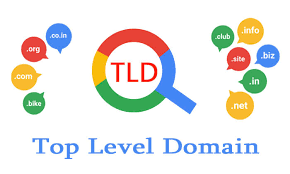
Creating your own top-level domain (TLD) extension, like .com, is not a simple process and involves various legal, technical, and administrative steps. It’s important to note that the Internet Corporation for Assigned Names and Numbers (ICANN) is the organization responsible for coordinating the Domain Name System (DNS) and managing the allocation of domain names and IP addresses globally.
Here are the general steps involved in creating your own TLD:
Research and Planning:
Conduct thorough research to ensure there is a need for the new TLD. Identify your target audience and the purpose of the TLD. Consider potential legal and trademark issues. ICANN Application:
ICANN is the governing body for domain names. You would need to apply to ICANN for the creation of a new TLD. ICANN periodically opens application rounds for new TLDs. Check their website for announcements and application guidelines. Technical Infrastructure:
Develop and demonstrate the technical infrastructure required for managing the TLD. This includes setting up DNS servers and ensuring they meet the necessary security and stability standards. Registry Backend Provider:
Choose a registry backend provider or build your own registry system. The registry backend provider is responsible for the technical management of the TLD, including registration, renewal, and DNS resolution. Financial Commitment:
Be prepared for a substantial financial commitment. The application fee alone to ICANN is usually significant. Operating a TLD also involves ongoing expenses for infrastructure, administration, and compliance. Legal and Policy Considerations:
Develop policies for domain registration, dispute resolution, and other aspects. Address legal issues, including trademark concerns and compliance with local regulations. Community Support (if applicable):
Some TLDs may require community support or involvement. Ensure you meet any specific requirements for the type of TLD you want to create. Application Review:
ICANN will review applications, and there might be a public comment period. The process is competitive, and not all applications are approved. Delegation and Launch:
Once approved, your TLD will be delegated, and you can launch domain registration.